

Client Relationship Browser
Background
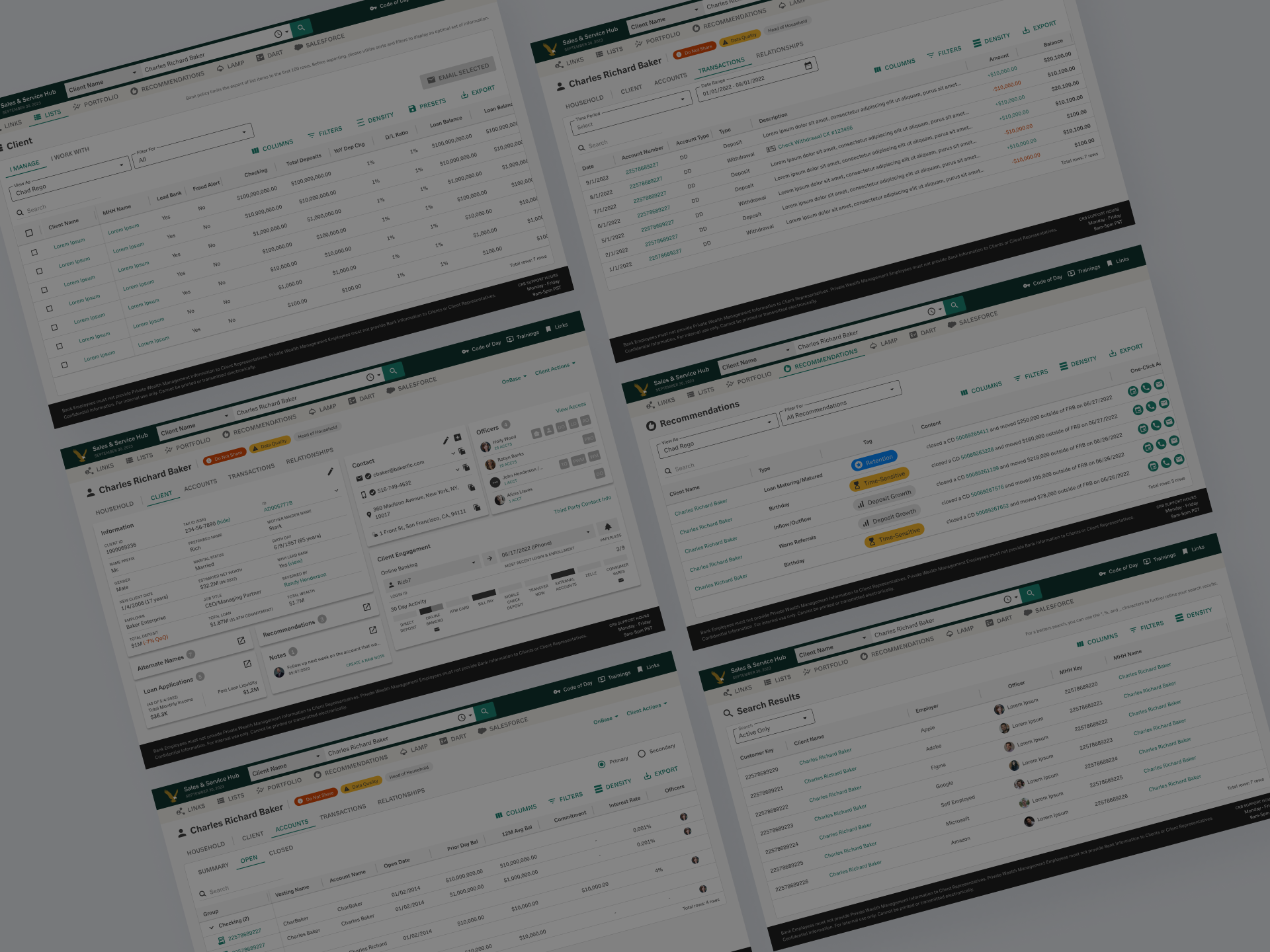
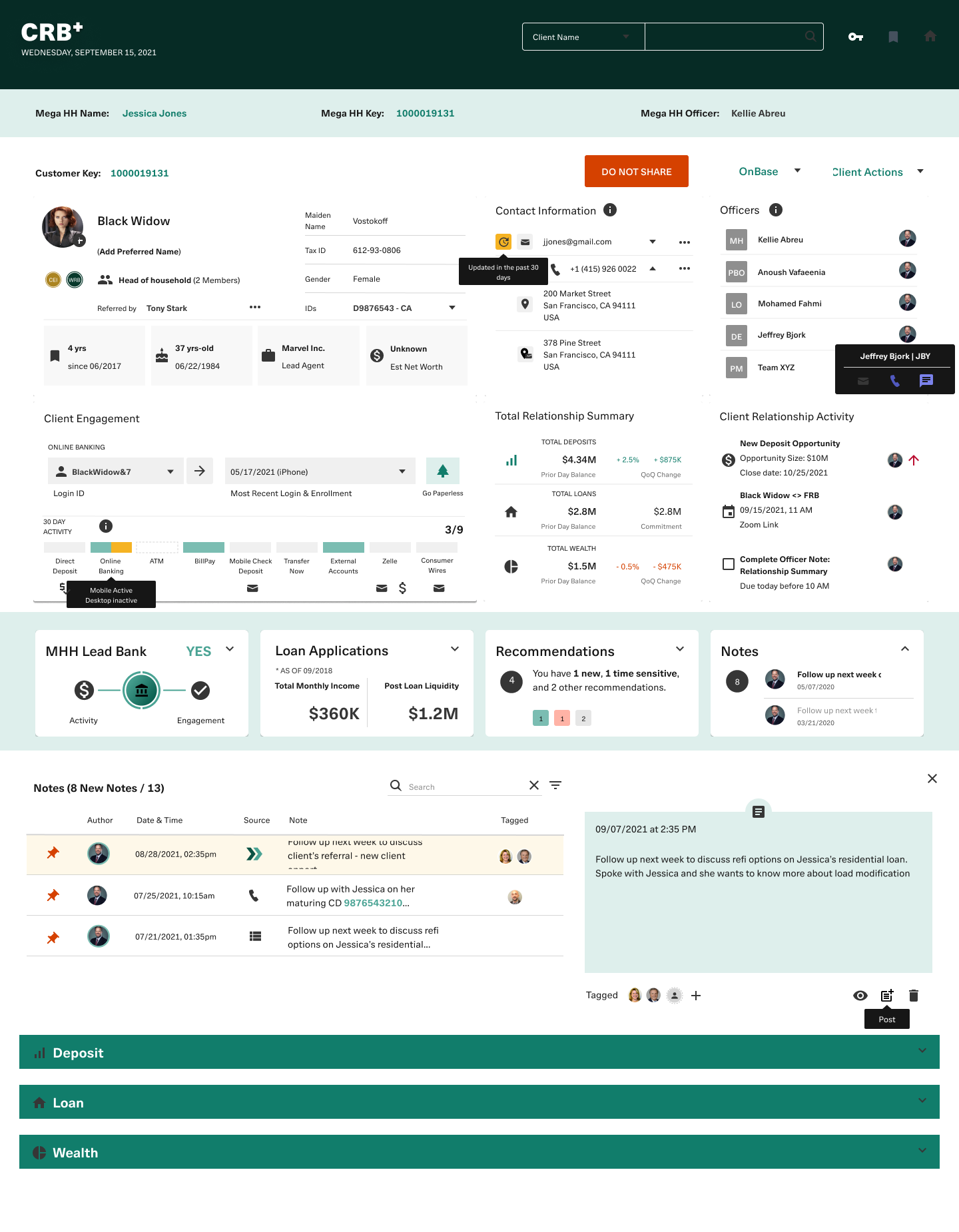
The Client Relationship Browser (CRB), later rebranded as the Sales & Service Hub, was a comprehensive application designed with intuitive dashboards and actionable insights to provide users with a complete view of client interactions. As the product designer, I led the redesign and development of features and enhancements that transformed how users engaged with client data, empowering them to make informed decisions based on actionable insights.
Description
As a Product Designer, I led the redesign of the Client Relationship Browser (CRB) from discovery to MVP. This responsive web app centralizes client data into easy-to-use dashboards, helping users streamline workflows, make better decisions, and improve prospecting for greater efficiency and engagement.
Problem Statement
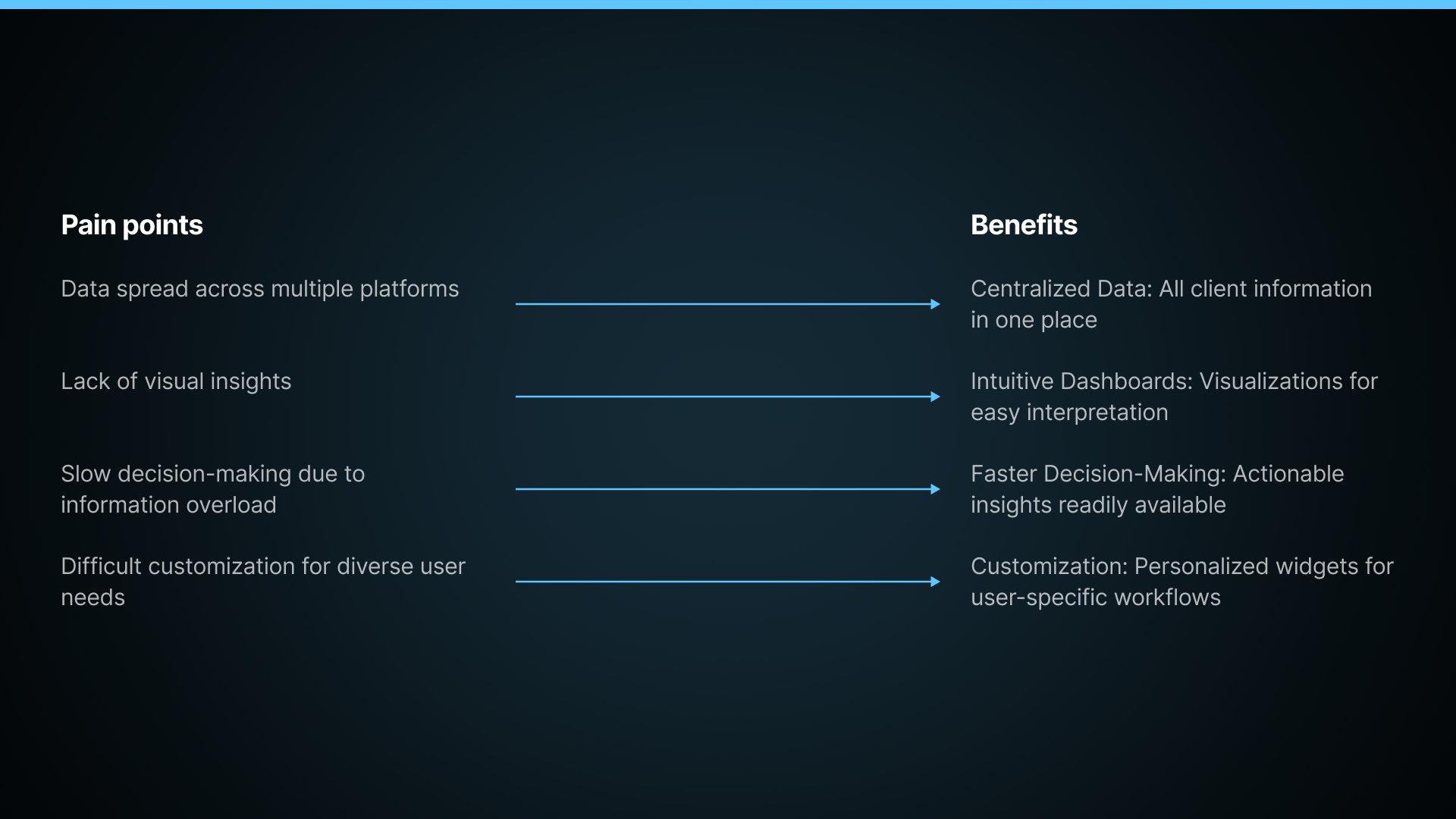
Users struggle to make informed decisions due to fragmented data from disparate sources, leading to inefficiency and poor client relationship management.
Research
Working closely with a dynamic team comprised of product managers, developers, and data analysts, our collective goal was to empower users with a holistic view of client interactions. Recognizing the challenges users faced in interpreting fragmented data from disparate sources, we set out to streamline the process and enhance workflow efficiency. Through meticulous research involving user interviews, competitor analysis, and usability testing, we honed in on user pain points and preferences, allowing us to create tailored user personas that would guide our design decisions.
The project's overarching objective was clear—to centralize client interaction data and present it in a visually digestible manner, thus facilitating informed decision-making. Our journey from problem identification to solution involved iterative design processes, with wireframes, high-fidelity prototypes, and a comprehensive design system serving as our deliverables. Regular user testing sessions provided invaluable feedback, allowing us to refine the app continuously.
Our Minimum Viable Product (MVP) focused on core features, including centralized data dashboards, customizable widgets, and a responsive design catering to various devices. Key performance indicators, such as user engagement, task completion rates, and feedback from user satisfaction surveys, served as our compass, guiding us toward optimal user experience. The lessons learned emphasized the importance of flexibility in adapting to user needs during development, underscoring the iterative nature of successful design.
Prior Iterations of a Design

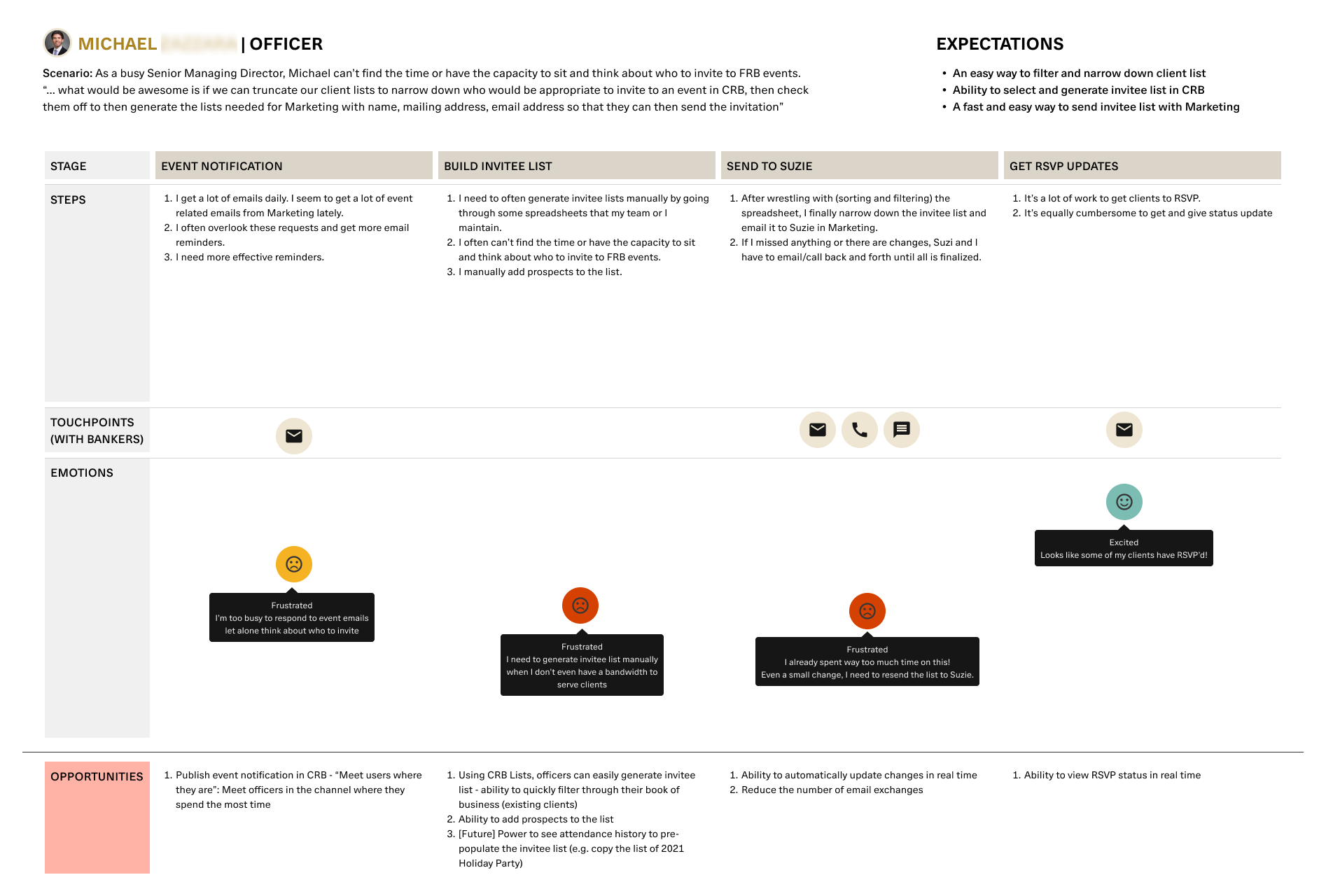
Mapping Out the Experience and Journey

Quantitative Research Validated Need Along With Qualitative

Actionable, Personalized Insights Drive Decisions
Below are key elements of the design system, including state examples, color schemes, typography, and detailed documentation. These components highlight the system’s value in ensuring consistency, clarity, and an enhanced user experience.
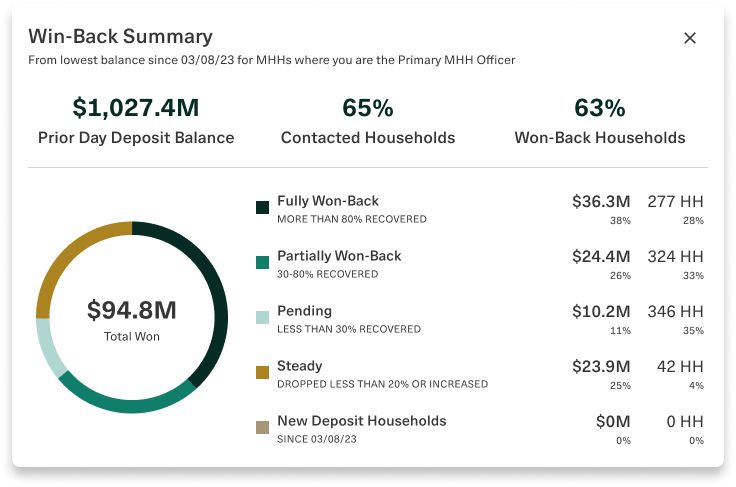
Data Visualization Impacts Engagement.
Documentations


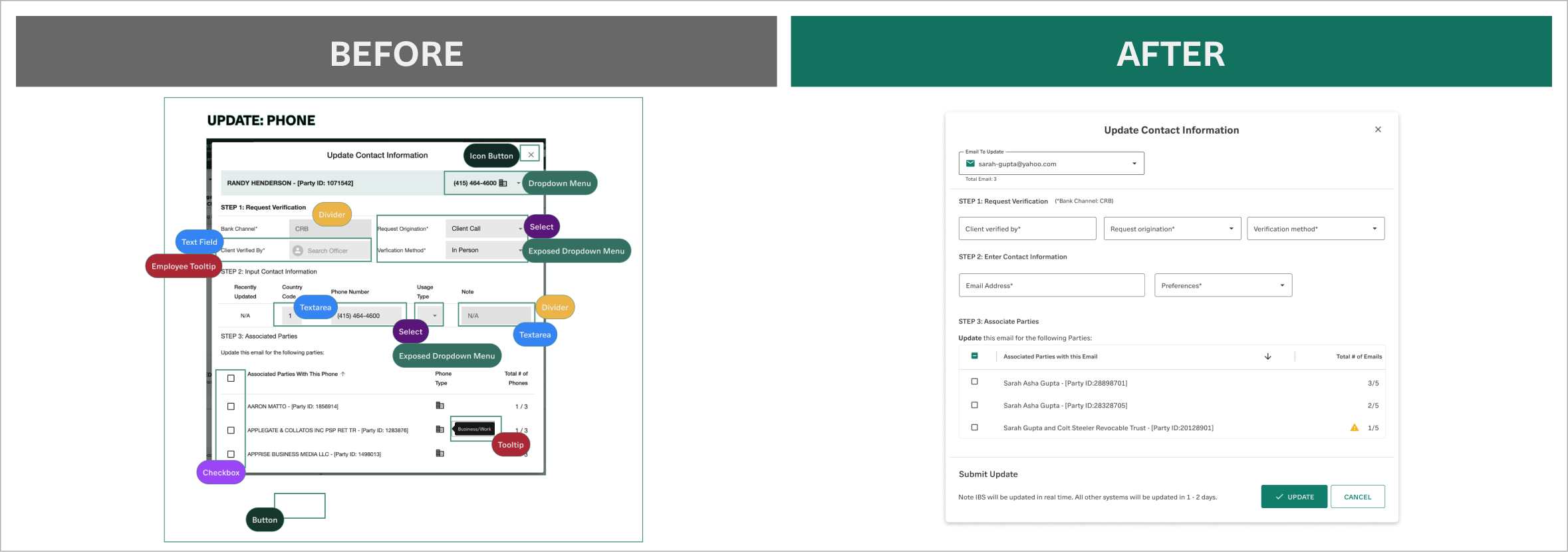
Before & After
Before the design system, the product suffered from inconsistent UI elements, fragmented user experiences, and lengthy development cycles due to a lack of standardized components. After implementing the design system, we achieved a cohesive and unified visual language, streamlined workflows, and faster product iterations. The improvements led to increased efficiency for development teams, better scalability across products, and enhanced user satisfaction through a more intuitive and consistent interface.

Learnings
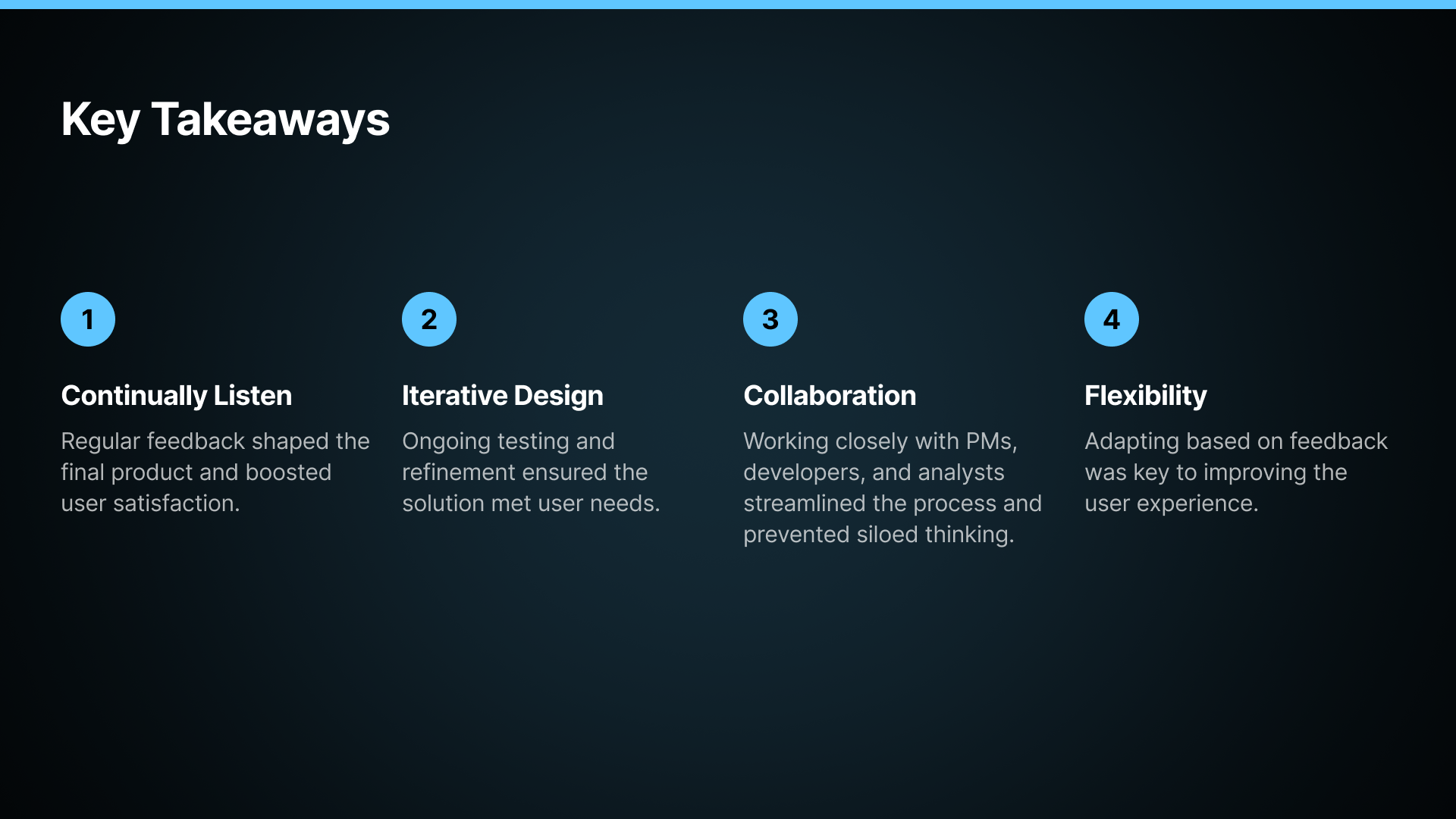
In conclusion, our collaborative efforts have resulted in an app that not only meets user needs but also exceeds their expectations with its intuitive dashboards and actionable insights. As the lead product designer, I guided the creation of this innovative tool, focused on transforming how users interact with client data. Through careful research and an iterative design process, we've developed a product that enhances decision-making and streamlines workflows, setting a new standard in user-centric design.